Stained or Yellow Teeth
- Home
- /
- Stained or Yellow Teeth

Stained or Yellow Teeth
What Causes Stained or Yellow Teeth?
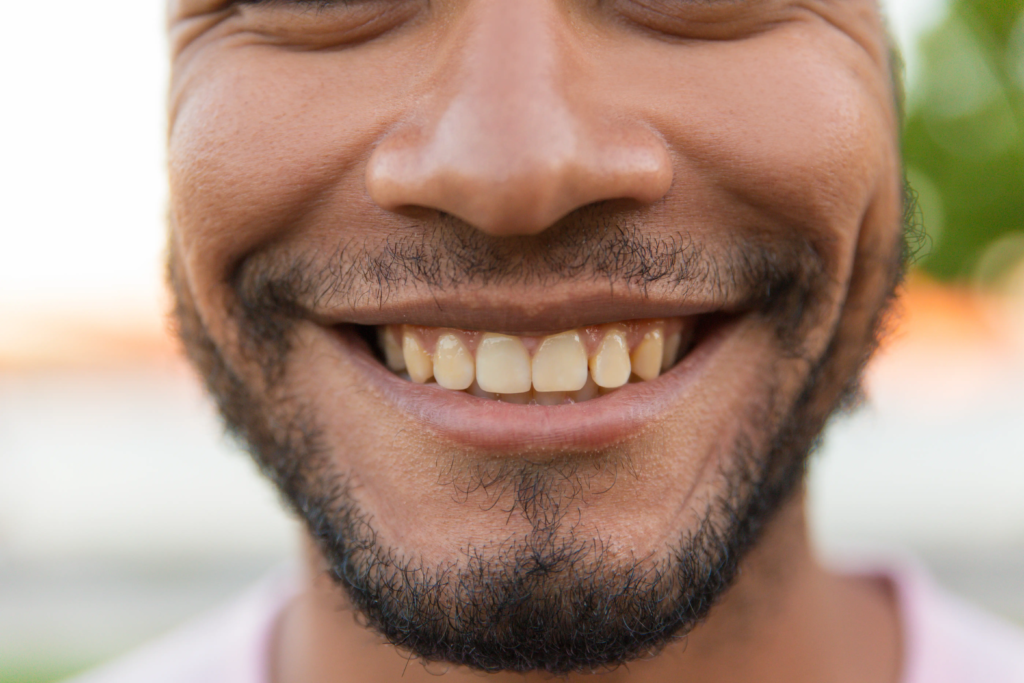
Are your teeth looking yellow, stained, or less bright than they used to? Tooth discolouration is common and can develop for several reasons, including coffee and tea, tobacco use, plaque buildup, and natural ageing.
At DaCula Dentist, we can help identify what is causing your tooth discolouration and discuss suitable treatment options to improve the appearance of your smile. Whether you have surface stains or deeper discolouration, the first step is understanding what your teeth need.
What Causes Stained or Yellow Teeth?
Coffee, Tea, and Other Foods
Coffee, tea, red wine, and deeply coloured foods can leave pigments on the tooth surface. Over time, repeated exposure may make your teeth appear yellow or brown.
Tobacco Use
Smoking and other tobacco products can contribute to stubborn yellow or brown stains that may be difficult to remove with regular brushing alone.
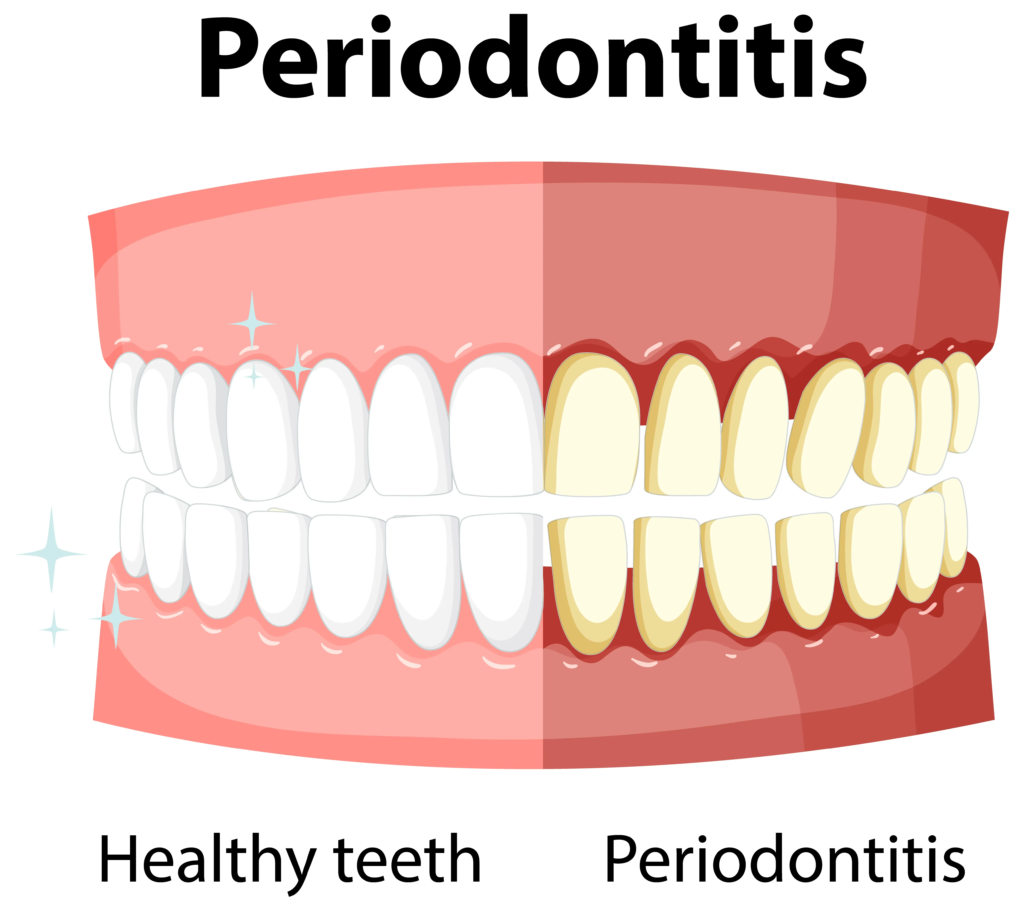
Plaque and Tartar Buildup
When plaque accumulates on your teeth, it can trap staining particles. If plaque hardens into tartar, professional dental cleaning may be needed to remove the buildup.
Natural Ageing
Tooth enamel gradually wears and becomes thinner with age, allowing the naturally yellowish dentin underneath to show through more clearly.
Certain Medications,
Dental Injuries
Some medications, developmental conditions, or injuries can change the colour of your teeth from within. If one tooth suddenly becomes darker than the others, a dental examination is important.
Natural Tooth Colour
Not everyone's teeth are naturally bright white. Genetics, enamel thickness, and the underlying dentin colour all influence the shade of your smile.
What Are the Treatment Options for Stained or Yellow Teeth?
The best treatment depends on the type, severity, and cause of your discolouration. After examining your teeth, your dentist can recommend an appropriate approach.
- Professional Dental Cleaning: Professional cleaning removes plaque, tartar, and many surface stains. It can help your teeth look cleaner and brighter, particularly when discolouration is caused by accumulated deposits.
- Professional Teeth Whitening: Professional whitening may help lighten natural teeth affected by suitable types of discolouration. Your dentist can assess whether whitening is appropriate and explain the expected results and possible sensitivity.
- Cosmetic Dental Treatments: Some deeper stains do not respond well to whitening alone. Depending on the condition of your teeth, your dentist may discuss cosmetic options such as dental bonding or veneers to improve the appearance of discoloured teeth.
- Personalised Dental Care: If discolouration is linked to tooth damage, decay, or another dental concern, that underlying problem may need treatment before cosmetic options are considered.
How Can You Prevent Tooth Stains?
Good daily habits can help reduce new stains and maintain a cleaner, brighter smile.
Brush your teeth twice daily with fluoride toothpaste.
Clean between your teeth every day using floss or another suitable interdental cleaner.
Rinse your mouth with water after drinking coffee, tea, or other staining beverages.
Limit tobacco use and consider stopping altogether.
Schedule regular dental checkups and professional cleanings as recommended.
Ask your dentist before using whitening products, especially if you have sensitive teeth, gum problems, or existing dental restorations.
Avoid using harsh household substances or aggressive scrubbing methods to whiten your teeth, as these can damage enamel or irritate your gums.

When Should You See a Dentist About Tooth Discolouration?
Consider scheduling a dental appointment if your teeth remain yellow despite good oral hygiene, if stains are becoming more noticeable, or if you are interested in professional whitening.
A tooth that suddenly turns grey, brown, or dark—particularly after an injury—should be assessed promptly. Discolouration accompanied by pain, swelling, or other unusual symptoms also warrants dental evaluation.
Your dentist can help determine whether the change is cosmetic or related to an underlying dental problem.
Ready to Improve Your Smile?
You do not have to guess which whitening treatment is right for you. DaCula Dentist can help you understand the cause of your tooth discolouration and explore suitable options for a cleaner, brighter-looking smile.
Schedule your consultation today and take the next step toward a smile you feel confident sharing.
Frequently Asked Questions
Can yellow teeth become white again?
Many types of tooth discolouration can be improved. Surface stains may respond to professional cleaning, while some natural yellowing can be lightened with suitable whitening treatments. Results depend on the underlying cause.
Does brushing twice a day remove yellow teeth?
Brushing twice daily helps remove plaque and some surface stains, but it cannot change your natural tooth colour or remove every type of discolouration. Persistent staining may require professional assessment.
Is professional teeth whitening safe?
Professional whitening can be appropriate for many adults when performed or recommended by a dental professional. Temporary sensitivity and gum irritation can occur. A dental examination helps determine whether whitening is suitable for you.
How long do teeth whitening results last?
Results vary depending on the treatment, diet, oral hygiene, tobacco use, and other habits. Your dentist can advise you on how to maintain your results.
Can yellow teeth be a sign of a dental problem?
Yellowing is often related to staining or natural tooth colour. However, sudden changes in colour, particularly in a single tooth, can sometimes indicate an underlying problem and should be evaluated by a dentist.
Are home remedies effective for whitening teeth?
Some products can help reduce surface stains, but harsh DIY remedies may damage enamel or irritate gums. Ask your dentist which whitening options are appropriate for your teeth.