Chipped or Worn Front Teeth
- Home
- /
- Chipped or Worn Front Teeth
Chipped or Worn Front Teeth
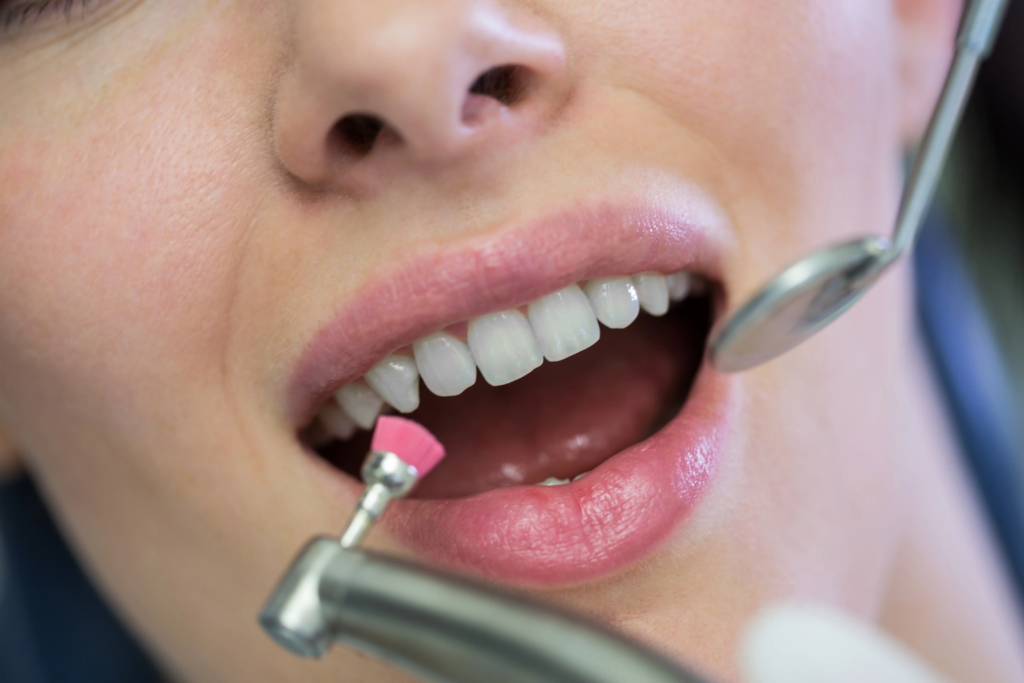
Chipped or Worn Front Teeth in Dacula, GA
Repair a chipped edge or restore teeth that have become worn over time. From dental bonding to veneers and crowns, explore treatment options that can improve the appearance and function of your smile
3 TREATMENT OPTIONS
Explore dental bonding, veneers, and crowns, depending on the amount of damage and your treatment goals.
PERSONALIZED TREATMENT
An examination helps determine which option is appropriate for your tooth and your budget.
COMFORT-FOCUSED CARE
Discuss any concerns with your dental team before treatment so you know what to expect.
Rebuild the Edge or Cover the Tooth
Dental Bonding
Repair small chips and uneven edges with tooth-colored material designed to blend with your natural teeth.
Dental Veneers
Improve the shape, color, and appearance of front teeth with custom-made coverings.
Dental Crowns
Restore and protect teeth that have more extensive damage.
What’s Going On?
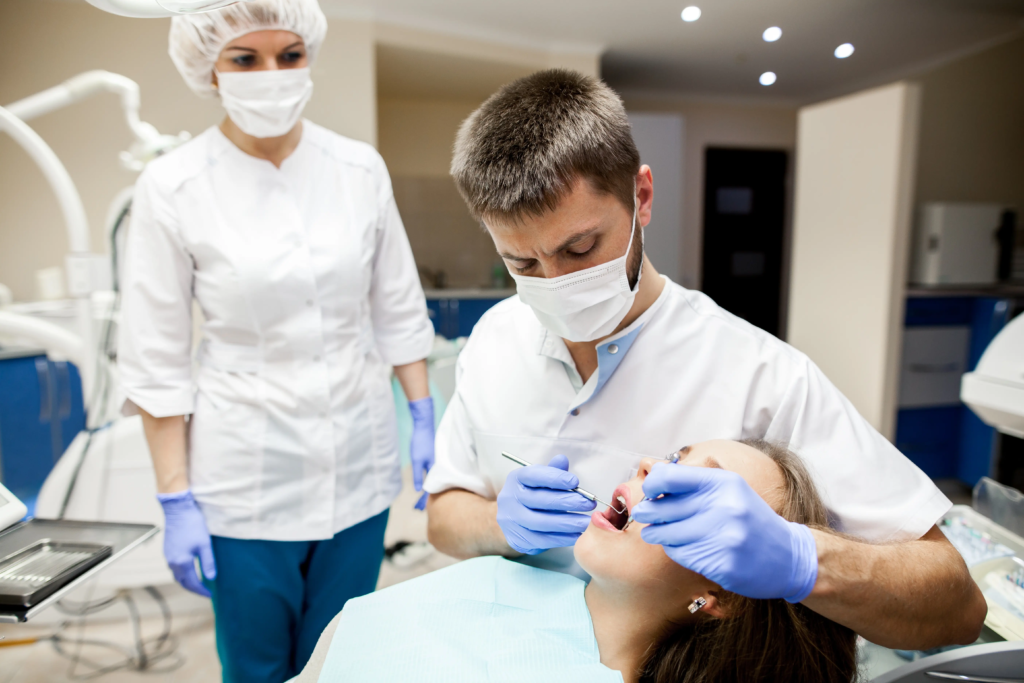
Your front teeth play an important role in your smile, speech, and ability to bite into food. When a tooth becomes chipped, cracked, or worn down, even a small change can affect its appearance and comfort.
Damage can occur from accidental injuries, biting hard foods, teeth grinding, clenching, or everyday wear. You might notice rough edges, uneven tooth lengths, small fractures, or sensitivity when eating and drinking.
The right treatment depends on the extent of the damage and what caused it. A dental examination can help identify the problem and determine which treatment may help restore your tooth while protecting your long-term oral health.
Which Treatment Is Right for You?
Repair Small Chips with Dental Bonding
Dental bonding can repair minor chips and uneven edges using tooth-colored material shaped to blend with your natural teeth.
Improve Your Smile with Dental Veneers
Veneers can enhance the shape, color, and appearance of front teeth for a more balanced smile.
Restore Damaged Teeth with Dental Crowns
Crowns help protect and restore teeth with more extensive damage, improving their shape and function.
Your dentist can recommend the most suitable treatment based on your oral health, the extent of the damage, and your smile goals.

Time, Cost, and How Much Tooth You Keep
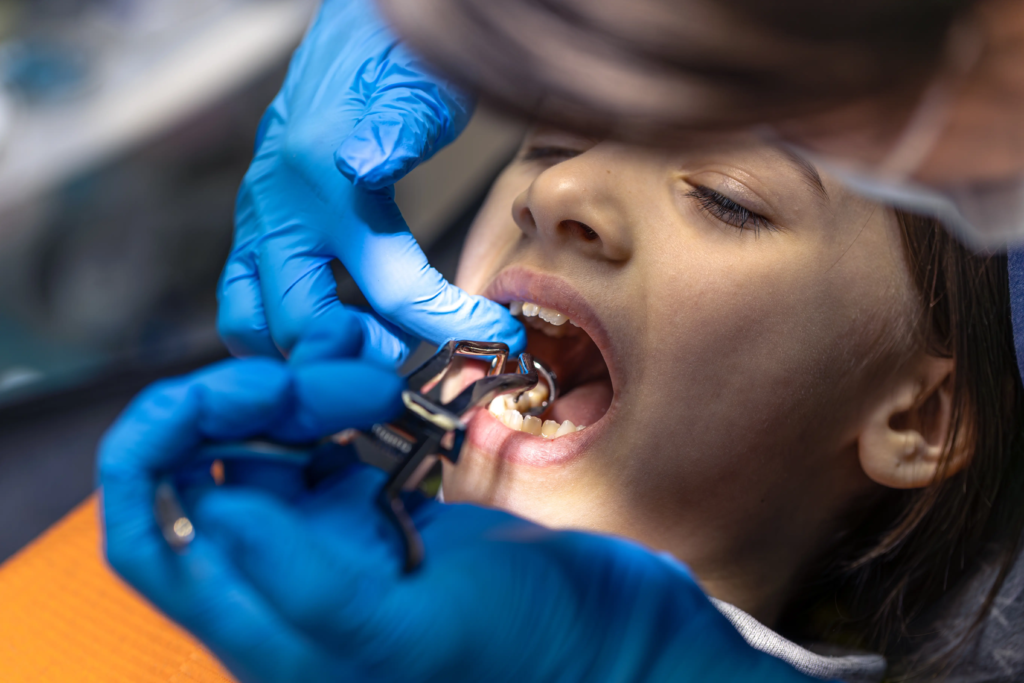
The treatment process varies according to the type of restoration, the extent of the damage, and your individual dental needs.
Dental bonding: Minor repairs can often be completed in a single appointment. Bonding usually requires less alteration of the natural tooth than some other restorative options.
Dental veneers: Veneers generally require careful planning and may involve more than one appointment. Some natural tooth structure may need to be adjusted to accommodate the veneer.
Dental crowns: Crown treatment may involve preparing the tooth and arranging a separate appointment for the final restoration.
The cost depends on the number of teeth treated, the materials used, and the complexity of the procedure. During your consultation, ask about the expected cost, appointment schedule, maintenance, and alternatives.
If grinding or clenching is contributing to tooth wear, your dentist may also discuss protective options, such as a night guard, where appropriate.
Bring Your Concern. Leave with a Plan.
You do not have to ignore chipped, uneven, or worn front teeth. With the right evaluation and personalized treatment plan, you can explore ways to restore your smile and protect your oral health.
Schedule your consultation today and take the next step toward a smile you feel confident sharing.
Frequently Asked Questions
Can a chipped front tooth be repaired?
Yes. Many chipped teeth can be treated with dental bonding, veneers, or crowns. The best option depends on the size of the chip, the location of the damage, and the amount of healthy tooth structure remaining.
Is dental bonding better than veneers?
Neither option is best for every patient. Bonding is often suitable for smaller repairs, while veneers may be considered for more extensive cosmetic changes. Your dentist can explain which approach is appropriate for your teeth.
Does repairing a chipped tooth hurt?
The level of discomfort depends on the damage and the treatment required. Many minor bonding procedures involve little discomfort. Your dental team can discuss ways to keep you comfortable during treatment.
Can worn front teeth be restored?
Yes. Depending on the cause and extent of the wear, treatment may include bonding, veneers, or crowns. Addressing contributing factors, such as grinding, may also help reduce further damage.
How long does treatment take?
Minor bonding repairs may be completed in one visit. Veneers and crowns often require additional planning and appointments. Your dentist can provide a more specific timeline after examining your teeth.
What should I do if my front tooth breaks suddenly?
Contact your dentist as soon as possible for guidance. Avoid biting with the damaged tooth and save any broken fragments if you can. Severe pain, significant swelling, or a major injury may require urgent attention.