Cracked or Broken Tooth
- Home
- /
- Cracked or Broken Tooth
Cracked or Broken Tooth
Restore Your Smile with the Right Dental Care
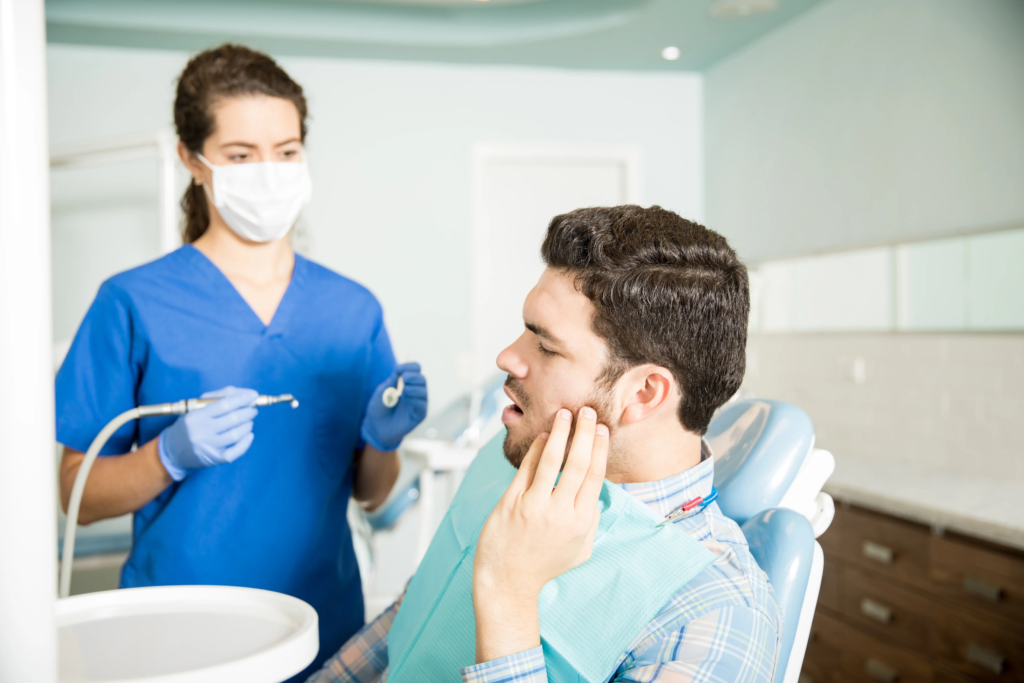
A cracked, chipped, or broken tooth can affect your comfort, confidence, and ability to chew normally. Tooth damage can happen unexpectedly due to an accident, biting on hard foods, teeth grinding, or weakened tooth structure.
At DaCula Dentist, we can assess the damage to your tooth and help you understand the most suitable treatment options. Whether you have a minor chip or a more serious fracture, early dental care can help prevent further damage and protect your oral health.
What Causes a Cracked or Broken Tooth?
Teeth are strong, but they can still become damaged by excessive pressure, injuries, or underlying dental problems.
Biting Hard Foods
Chewing ice, hard sweets, nuts, or other hard foods can put excessive pressure on your teeth and cause chips or cracks.
Accidents and Dental Injuries
Smoking and other tobacco products can contribute to stubborn yellow or brown stains that may be difficult to remove with regular brushing alone.
Teeth Grinding and Clenching
Repeated grinding or clenching places pressure on your teeth. Over time, this can weaken the tooth structure and increase the risk of cracks or fractures.
Untreated Tooth Decay
Tooth decay weakens the affected tooth, making it more vulnerable to breaking during normal chewing.
Large Fillings or
Previous Dental Treatment
Teeth with extensive fillings or certain previous dental treatments may have less remaining natural tooth structure and can be more susceptible to fractures.
Age-Related Wear
Years of chewing and everyday use can gradually wear down teeth. This may increase the risk of cracks, especially when combined with grinding or other sources of pressure.
What Are the Signs of a Cracked or Broken Tooth?
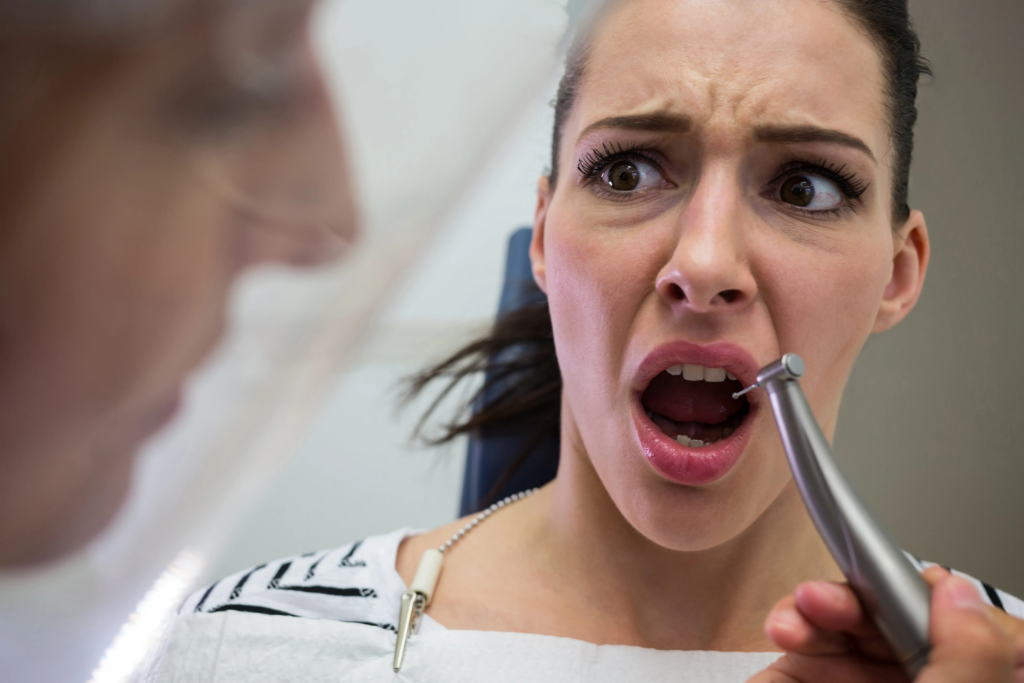
Not every crack is visible, and some damaged teeth cause little or no immediate discomfort. Common symptoms include:
Sharp pain when biting or chewing.
Discomfort that comes and goes.
Sensitivity to hot, cold, or sweet foods and drinks.
A visible chip, crack, or missing piece of tooth.
Rough or sharp edges that irritate your tongue or cheek.
Swelling or tenderness around the affected tooth.
If you notice any of these symptoms, arrange a dental examination. A crack can extend deeper into the tooth even when the damage appears minor.
What Are the Treatment Options for a Cracked or Broken Tooth?
The right treatment depends on the location, size, and depth of the damage, as well as whether the inner pulp of the tooth is affected.
- Dental Bonding: For small chips and minor cosmetic damage, dental bonding may be used to restore the tooth’s shape with tooth-coloured composite resin.
- Dental Fillings: If the damage affects a limited portion of the tooth, a filling may help restore its structure and function.
- Dental Crowns: A dental crown covers and protects a weakened or significantly damaged tooth. Your dentist may recommend a crown when a filling alone is not sufficient to restore the tooth.
- Root Canal Treatment: If a crack or fracture extends into the pulp and causes inflammation or infection, root canal treatment may be necessary. A crown may also be recommended to protect the remaining tooth structure.
- Tooth Extraction: If the tooth is severely fractured and cannot be predictably restored, extraction may be necessary. Your dentist can discuss suitable replacement options when appropriate.


What Should You Do If You Break a Tooth?
Taking the right steps can help protect your tooth while you arrange dental care.
Contact your dentist: Arrange an appointment as soon as possible, even if the damage appears minor.
Rinse gently: Use warm water to clean your mouth.
Save any broken fragment: If possible, keep the fragment in a clean container and bring it to your appointment.
Protect your mouth: If the tooth has a sharp edge, dental wax may help cover it temporarily.
Reduce pressure: Avoid chewing on the affected side and choose soft foods until you receive advice.
Manage discomfort carefully: A cold compress applied to the outside of your cheek may help with swelling. Use pain relief only as directed and if it is safe for you.
Do not attempt to glue the tooth back together or use household adhesives.
If you have uncontrolled bleeding, significant facial trauma, severe swelling, or difficulty breathing or swallowing, seek emergency care.
How Can You Prevent a Cracked or Broken Tooth?
Although not all dental injuries can be prevented, a few simple habits can help reduce the risk.
Avoid chewing ice and other very hard objects.
Wear a properly fitted mouthguard during contact sports.
Ask your dentist about a night guard if you grind or clench your teeth.
Maintain good oral hygiene to reduce the risk of tooth decay.
Attend regular dental checkups to identify weakened teeth early.
Seek treatment for cavities and damaged fillings before the tooth becomes more vulnerable.
Protecting your teeth with consistent dental care can help preserve their strength and function.

When Should You See a Dentist?
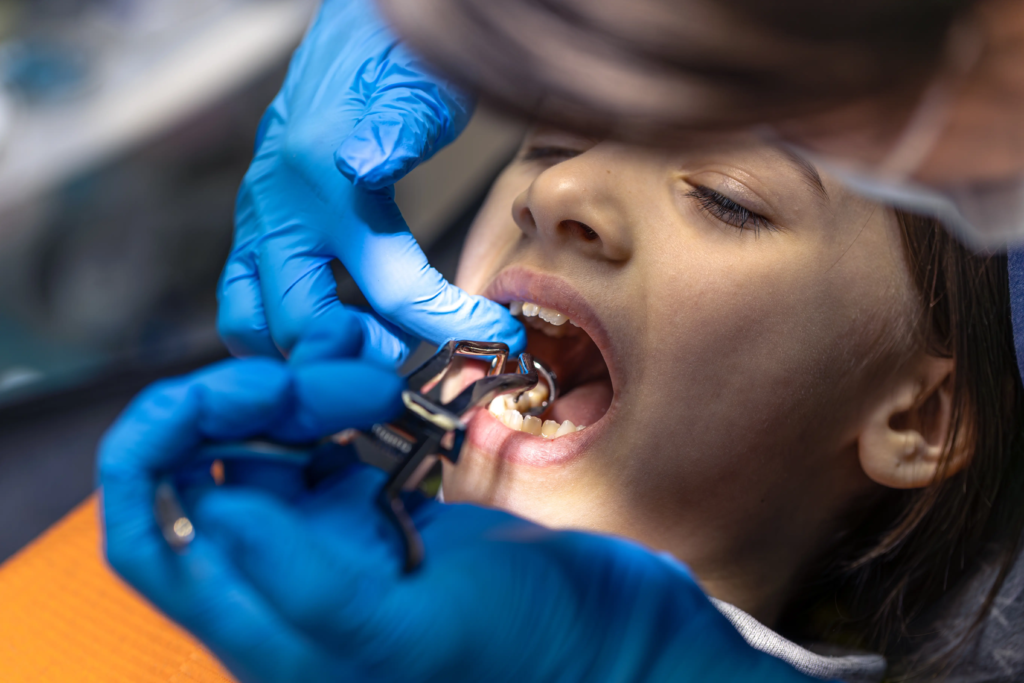
A cracked or broken tooth should be assessed promptly, even if you do not have significant pain. Small fractures may worsen over time, and damage that reaches the inner layers of the tooth can lead to complications.
Seek urgent dental care if you experience severe pain, marked sensitivity, a deep fracture, or swelling around the affected tooth. A knocked-out permanent tooth requires immediate dental attention.
If facial swelling affects your breathing or swallowing, seek emergency medical care immediately.
Early treatment may help preserve the natural tooth and reduce the need for more extensive procedures.
Get the Care Your Damaged Tooth Needs
A cracked or broken tooth can be uncomfortable and concerning, but the right treatment may help restore its appearance and function.
At DaCula Dentist, we can assess the extent of the damage and discuss treatment options suited to your dental needs.
Don’t wait for a small crack to become a bigger problem. Book your dental consultation today.
Frequently Asked Questions
Can a cracked tooth heal on its own?
No. Unlike some body tissues, a cracked tooth cannot repair itself naturally. Dental treatment may be needed to stabilise the tooth, prevent further damage, or address any affected inner tissue.
Can a broken tooth be repaired?
Many chipped, cracked, or broken teeth can be repaired. Depending on the damage, treatment may include bonding, a filling, a crown, or root canal treatment. Severely damaged teeth may not be restorable.
Does a cracked tooth always cause pain?
No. Some cracks cause intermittent discomfort or no noticeable symptoms at all. A dental examination is important because an untreated crack can worsen even without significant pain.
Is a cracked tooth a dental emergency?
A cracked tooth needs prompt dental assessment. Severe pain, swelling, significant trauma, or a deep fracture warrants urgent attention. A knocked-out permanent tooth requires immediate care.
What should I do if a piece of my tooth breaks off?
Rinse your mouth gently with warm water, save the broken fragment if possible, and contact your dentist promptly. Avoid chewing on the damaged tooth until it has been assessed.
Can a crown fix a cracked tooth?
A crown may help protect and restore a tooth with certain types of cracks. However, treatment depends on how far the crack extends and whether the tooth can be restored successfully. Your dentist can determine the appropriate option after an examination.