Loose or Slipping Dentures
- Home
- /
- Loose or Slipping Dentures
Loose or Slipping Dentures
Implant-Supported Dentures in Dacula, GA
Secure Your Smile. Enjoy More Confidence.
If your dentures feel loose, rub against your gums, or require adhesive to stay in place, implant-supported dentures may be an option worth exploring. Anchored to dental implants, these dentures can provide greater stability than conventional dentures and help you feel more confident when eating, speaking, and smiling.
Three Highlight Blocks
4 TO 6 IMPLANTS
A full-arch denture may be supported by several dental implants. The number needed depends on your oral health, bone structure, and treatment plan.
FIXED OR REMOVABLE
Depending on your needs and the recommended design, your implant-supported denture may be removable for cleaning or fixed in place by your dental provider.
3D IMAGING
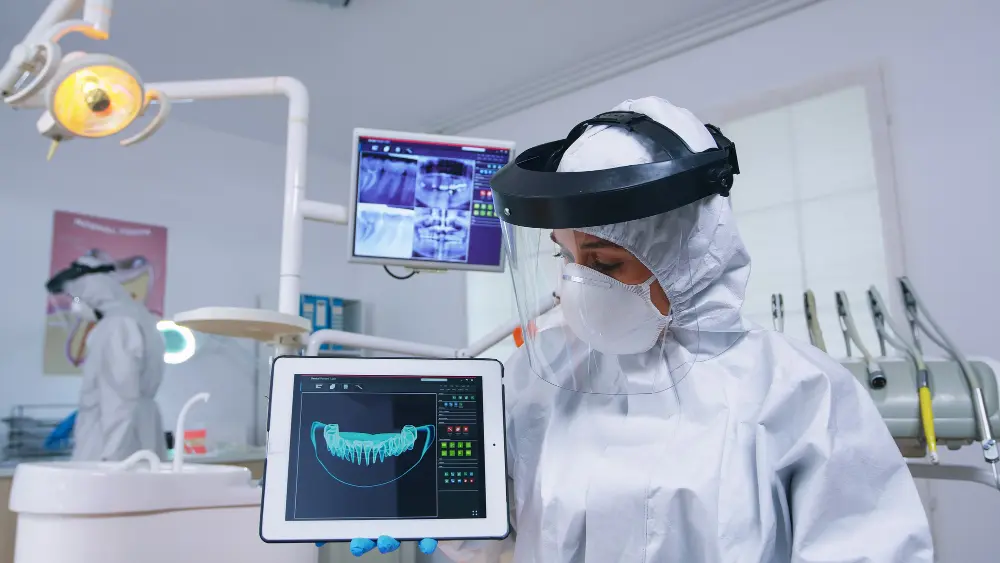
Three-dimensional imaging may be recommended to evaluate your jawbone and help plan implant placement.
Is an Implant Denture Right for You?
Dentures that slip while you eat, speak, or laugh can make everyday activities frustrating. Implant-supported dentures may offer improved stability and help you feel more comfortable going about your day.
A Loose Upper or Lower Denture
Does your denture move when you talk, eat, or laugh? Implant-supported dentures may offer better retention and stability.
Relying on Adhesive at Every Meal
If you regularly use adhesive to help keep your denture in place, ask your dentist whether an implant-supported option may be appropriate.
Sore Spots or Changes in Your Gum Ridge
Changes in the jawbone and gum contours can affect how dentures fit. Your dentist can assess whether adjustments, a replacement denture, or implant treatment may help.
Missing Teeth Across a Full Arch
If you have lost most or all of the teeth in your upper or lower jaw, implant-supported dentures may provide an alternative to conventional full dentures.
Adequate Bone or the Possibility of Bone Grafting
Implants need sufficient bone for support. Your dentist may recommend imaging to evaluate the jawbone and determine whether bone grafting or another procedure is needed.
Good General Health and a Commitment to Cleaning
Healthy gums, good oral hygiene, and regular follow-up care help support implant health. Certain medical conditions and smoking can affect healing, so your dentist will review your individual circumstances.
What Are Implant-Supported Dentures?
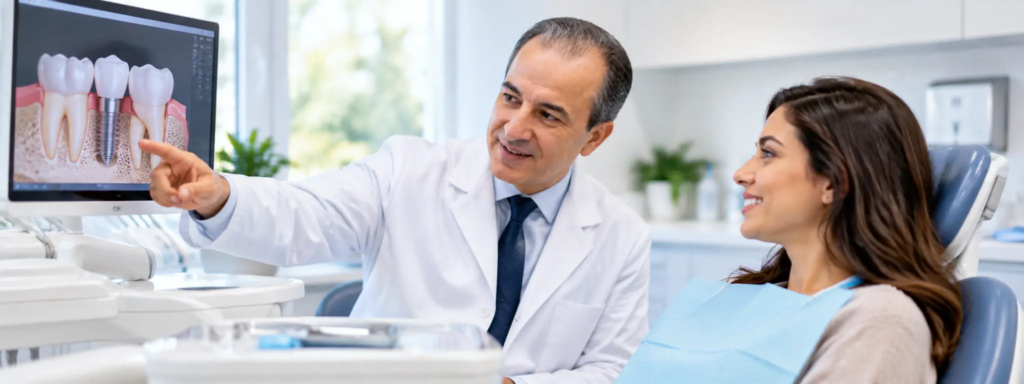
An implant-supported denture replaces a full arch of missing teeth and attaches to dental implants placed in the jawbone. Unlike conventional dentures that rest on the gums, implant-supported dentures use implants for additional retention and stability.
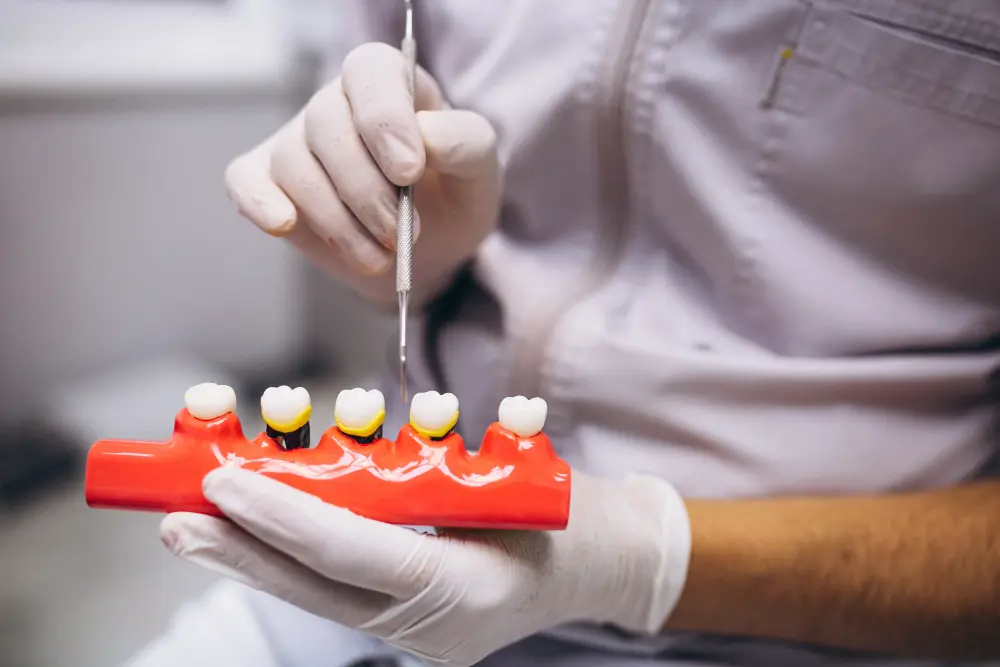
There are two common options. Removable implant-supported dentures attach to implants and can be taken out for cleaning. Fixed implant-supported dentures remain attached and are generally removed only by a dental professional.
Your dentist may recommend dental imaging to evaluate your jawbone and help plan treatment. The number of implants, type of denture, and treatment timeline depend on your individual needs.
Is an Implant-Supported Denture Right for You?
Find a More Secure Fit for Your Smile.
Loose dentures are not something you have to accept without exploring other options. Implant-supported dentures may improve stability and function for people who have lost most or all of their teeth in an arch.
Your dentist will review your medical and dental history, examine your mouth, and assess your jawbone. Imaging may be recommended to help determine whether implants are suitable. If there is not enough bone, additional treatment such as bone grafting may sometimes be considered.
Teeth That Feel More Secure
If loose dentures are affecting your comfort or confidence, implant-supported dentures may be worth considering. Advanced Family Dentistry can help you explore your tooth replacement options and understand the steps involved in treatment.
Schedule your consultation today and take the next step toward a smile you feel confident sharing.
Frequently Asked Questions
Fixed or Removable: Which Should I Choose?
Removable implant dentures can be taken out for cleaning, while fixed dentures generally remain attached and are removed by a dental professional. Your oral health, preferences, and maintenance needs help determine which option may be suitable.
How Many Implants Will I Need?
The number depends on the type of restoration, the jaw being treated, your bone condition, and your dentist’s treatment plan. Several implants may support a full arch, but your dentist must assess your individual needs before recommending a number.
Can My Current Denture Be Attached to Implants?
Sometimes an existing denture can be modified, but a new denture may be necessary to fit the implant attachments properly. Your dentist can examine your current denture and discuss the available options.
Am I Too Old for Dental Implants?
Age alone does not determine whether you can receive implants. Your overall health, jawbone condition, healing ability, and oral hygiene are important factors in deciding whether treatment is appropriate.
Will I Be Without Teeth During Treatment?
Your temporary tooth replacement options depend on your treatment plan and healing requirements. Some patients can wear a temporary denture while implants heal. Your dentist will explain the options available for your case.
What Is Bone Grafting, and Will I Need It?
Bone grafting adds or rebuilds bone where there may not be enough to support dental implants. Not everyone needs grafting. An examination and appropriate imaging can help determine whether it may be necessary.
How Long Do Implant Dentures Last?
The lifespan of implants and the denture they support varies. Good oral hygiene, regular professional maintenance, general health, and the condition of the restoration all affect longevity. Denture components may require repair or replacement over time.