Cavities or Decay
- Home
- /
- Cavities or Decay

Cavities or Decay
Protect Your Smile with Early Cavity Treatment
Cavities are one of the most common dental problems and can affect people of all ages. They develop when acids produced by bacteria gradually damage the hard outer surface of your teeth. Without treatment, tooth decay can progress deeper into the tooth and lead to pain, infection, or even tooth loss.
At DaCula Dentist, we help identify cavities at different stages and recommend suitable treatments to restore your teeth and protect your oral health. Whether you have early signs of decay or a more advanced cavity, seeking dental care early can help prevent further damage.
What Causes Cavities or Tooth Decay?
Frequent Consumption of Sugary
Foods and Drinks
Sweets, biscuits, sugary beverages, and frequent snacking can expose your teeth to repeated acid attacks. Over time, this increases the risk of cavities.
Poor Oral Hygiene
Inadequate brushing and cleaning between your teeth allow plaque to accumulate. The bacteria in plaque contribute to enamel damage and tooth decay.
Inadequate Fluoride Exposure
Fluoride helps strengthen enamel and supports the repair of early mineral loss. Insufficient fluoride exposure may increase the risk of developing cavities.
Dry Mouth
Saliva helps wash away food particles and neutralise acids in your mouth. Reduced saliva production can increase the risk of tooth decay.
Deep Grooves in the Teeth
The grooves on the chewing surfaces of back teeth can trap food and plaque, making them more difficult to clean thoroughly.
Skipping Regular Dental Checkups
Early cavities may not cause noticeable symptoms. Without regular dental examinations, decay can progress before it is detected.
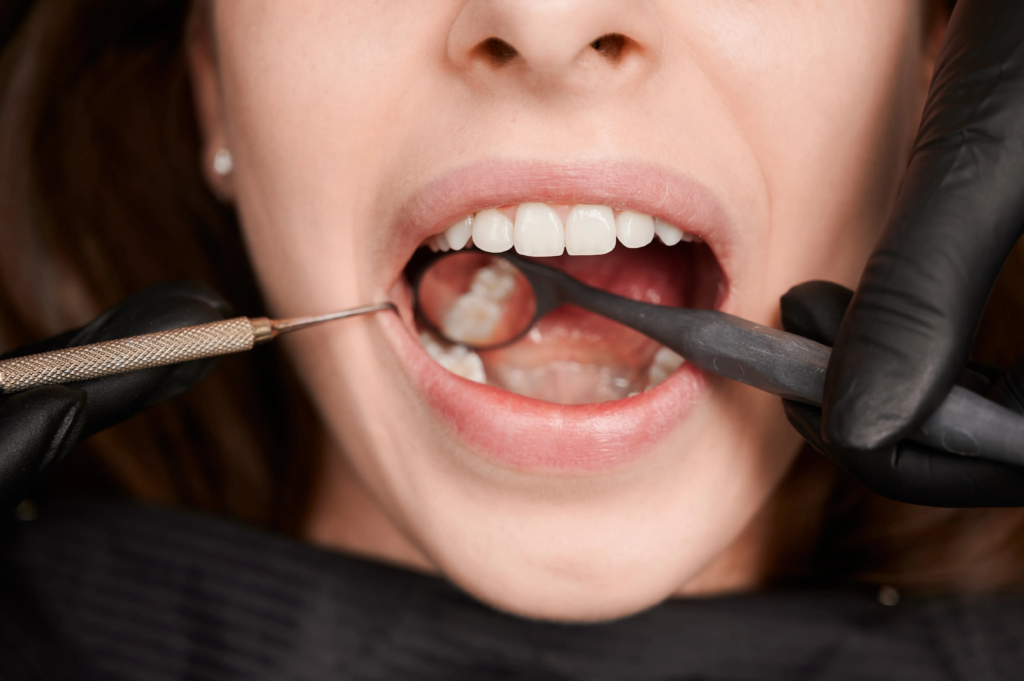
What Are the Signs and Symptoms of Tooth Decay?
Cavities may develop without causing pain at first. As the decay progresses, you may notice:
White, brown, or dark spots on your teeth.
Sensitivity to hot, cold, or sweet foods and drinks.
Toothache or discomfort when chewing.
Visible holes or pits in the tooth.
Food frequently getting trapped in a particular area.
Persistent pain if decay reaches deeper layers of the tooth.
If you notice these symptoms, arrange a dental examination. A dentist can identify the extent of the decay and recommend appropriate treatment.
What Are the Treatment Options for Cavities?
The best treatment depends on how far the decay has progressed. Early assessment can help preserve more of your natural tooth structure.
- Fluoride Treatment: When decay is in its earliest stage and has not formed a cavity, fluoride treatment may help remineralise the enamel and slow or reverse early mineral loss.
- Dental Fillings: When decay has created a cavity, the dentist generally removes the damaged tooth tissue and restores the area with a suitable filling material. This helps restore the tooth’s shape and function.
- Dental Crowns: If a tooth has extensive decay or has become significantly weakened, a dental crown may be recommended to protect and restore the remaining tooth structure.
- Root Canal Treatment: When decay reaches the pulp inside the tooth, root canal treatment may be necessary to remove infected or damaged tissue and preserve the natural tooth.
- Tooth Extraction: If a tooth is too severely damaged to be restored, extraction may be required. Your dentist can discuss replacement options if appropriate.


How Can You Prevent Cavities and Tooth Decay?
Good oral hygiene and healthy daily habits can significantly reduce your risk of developing cavities.
Brush twice daily with fluoride toothpaste.
Clean between your teeth every day using dental floss or an appropriate interdental cleaner.
Reduce frequent snacking on sugary foods and limit sugary drinks.
Drink water regularly, particularly after meals.
Avoid brushing too aggressively, as this can damage your gums.
Attend regular dental checkups to detect early signs of decay.
Ask your dentist whether fluoride treatments or dental sealants are appropriate for you or your children.
Consistency matters. A good daily routine can help protect your enamel and maintain healthier teeth over time.
When Should You See a Dentist?
Schedule a dental appointment if you notice tooth discolouration, sensitivity, a visible hole, or recurring discomfort when eating. Even if a cavity does not hurt, it can continue to grow without treatment.
Seek urgent dental care if you develop severe toothache, swelling, fever, or signs of a possible dental infection.
If facial swelling causes difficulty breathing or swallowing, seek emergency medical attention immediately.
Early treatment can often prevent a small cavity from developing into a more serious dental problem.
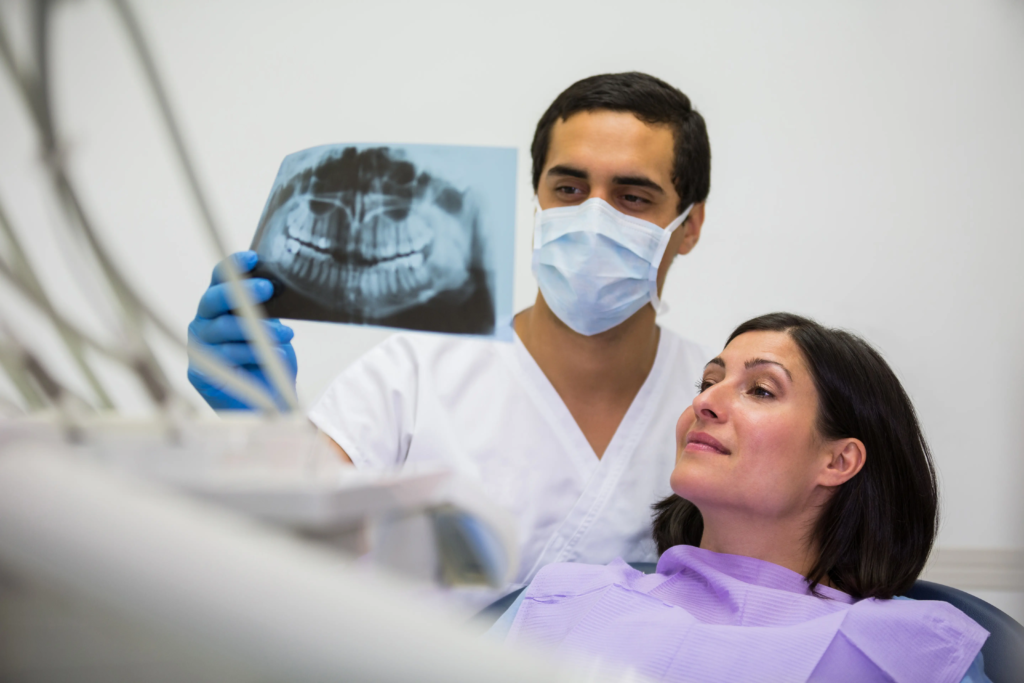
Take the First Step Towards a Healthier Smile
Cavities and tooth decay can affect your comfort, confidence, and long-term oral health. The good news is that many cases can be treated effectively, especially when identified early.
At DaCula Dentist, we can assess your teeth, explain your treatment options, and help you protect your natural smile.
Don’t wait for tooth pain to begin. Book your dental consultation today and take a proactive step towards healthier teeth.
Frequently Asked Questions
What causes cavities in teeth?
Cavities develop when bacteria in dental plaque produce acids that gradually damage tooth enamel. Frequent sugar consumption, inadequate oral hygiene, dry mouth, and insufficient fluoride protection can increase the risk.
Can cavities heal on their own?
Very early enamel damage may be remineralised with the help of fluoride, saliva, and good oral hygiene. However, once a cavity has formed a hole in the tooth, it generally requires professional dental treatment.
Do cavities always cause toothache?
No. Early cavities often have no symptoms. Pain and sensitivity may develop as decay progresses, which is why regular dental checkups are important.
How are cavities diagnosed?
A dentist examines your teeth for signs of decay and may recommend dental X-rays when needed to identify cavities between teeth or assess deeper damage.
Are dental fillings painful?
Dentists commonly use local anaesthesia when necessary to keep treatment comfortable. You may experience temporary sensitivity after a filling, but persistent or worsening pain should be reviewed by your dentist.
Can tooth decay be prevented?
Although no prevention method eliminates all risk, brushing with fluoride toothpaste, cleaning between your teeth, limiting frequent sugar intake, and attending regular dental checkups can greatly reduce the likelihood of cavities.
What happens if a cavity is left untreated?
Untreated decay can progress deeper into the tooth, causing pain, pulp infection, an abscess, and potentially tooth loss. Early treatment generally helps preserve more of the natural tooth.