Crooked or Gapped Teeth
- Home
- /
- Crooked or Gapped Teeth
Crooked or Gapped Teeth
Crooked or Gapped Teeth
Straighten Your Smile or Reshape the Teeth That Show
Whether your teeth overlap, sit out of line, or have visible gaps, there are several ways to improve your smile. The right treatment depends on how many teeth are affected, whether your bite needs correction, and whether you want to move your teeth or change their appearance.
At Advanced Family Dentistry in Dacula, GA, our team can help you understand your options and choose a treatment that fits your dental needs, goals, and budget.
Move the teeth, or reshape the ones that show
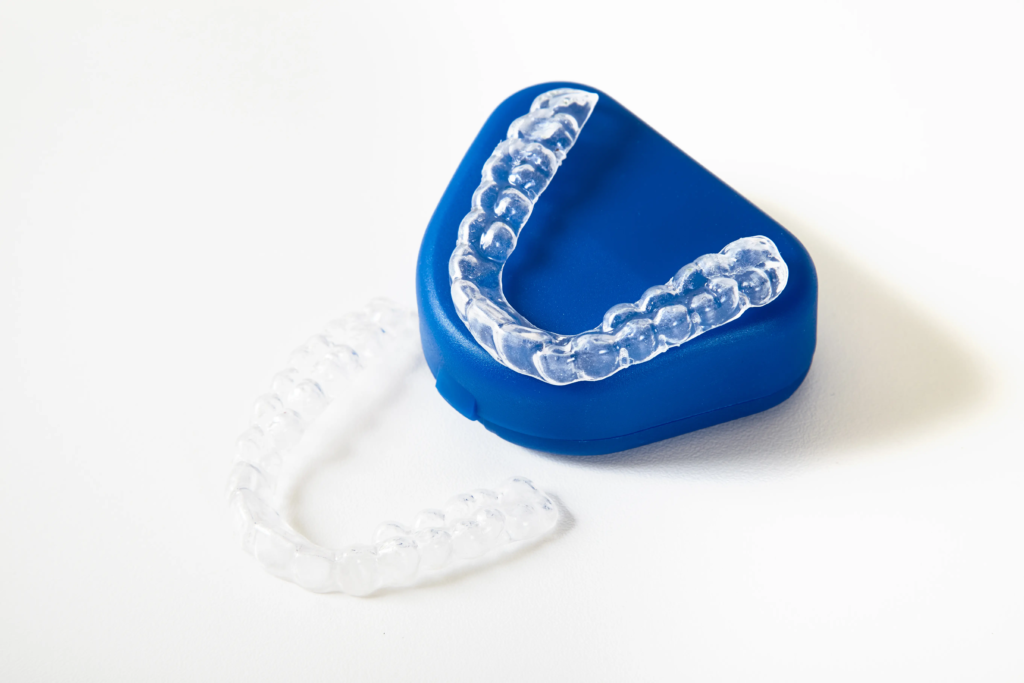
Invisalign
Invisalign takes time because the teeth need to move gradually, but it addresses their actual alignment rather than simply changing how they look. Many cases take several months to around 12 to 18 months, while more complex cases can take longer. The aligners generally need to be worn 20 to 22 hours each day, with periodic checkups to monitor progress. The total cost depends on the complexity of the case, treatment duration, and individual treatment plan. Some dental insurance plans provide orthodontic benefits. Retainers are usually needed after treatment to help maintain the result.
Dental Veneers
Veneers can provide a noticeable cosmetic change without moving the teeth. Porcelain veneers commonly require multiple appointments, while some composite veneer treatments can be completed in one visit. Porcelain veneers may last many years with appropriate care, although they can eventually require replacement. Composite veneers generally have a shorter lifespan. Costs vary depending on the material, number of teeth treated, and complexity of the procedure. Insurance coverage varies, and veneers performed primarily for cosmetic reasons are often not covered.
Dental Bonding
Bonding is often the quickest and most conservative option for a small gap or uneven tooth edge. Many cases can be completed in one appointment. Composite resin can last several years with good care, but it may chip, stain, or lose its polish over time. The advantage is that minor repairs can often be made without replacing the entire restoration.
What Is Happening With Your Teeth?
Crooked and gapped teeth can look different from person to person. You might have several teeth crowded together, one tooth that twists out of line, a noticeable gap between your front teeth, or an uneven bite when you close your mouth.
Sometimes the concern is mainly cosmetic. In other cases, crowded teeth can be harder to brush and floss, allowing plaque to collect in areas that are difficult to reach. Misaligned teeth may also experience uneven pressure when you bite or chew.
The right treatment starts with understanding what needs to change.
Do your teeth need to move, or do they simply need to look more even?
Invisalign is designed to move teeth gradually. Veneers and bonding change the visible shape or appearance of teeth without correcting their underlying position. If your bite is involved, orthodontic treatment may be the more appropriate option.
During your consultation, our dental team can assess your teeth, bite, and gum health before recommending a treatment approach.
Sound familiar?
- Your front teeth overlap or look crowded.
- There is a noticeable gap between your teeth.
- One or more teeth appear crooked or rotated.
- Your teeth look uneven when you smile.
- You find it difficult to clean between crowded teeth.
- You feel self-conscious about your smile.
What Should You Consider Before Choosing?
None of these treatments are permanent-and-forgotten. Veneers and bonded teeth need regular brushing, flossing, and dental checkups. Avoid biting hard objects, and ask your dentist whether a night guard may help if you grind your teeth.
Invisalign requires consistent aligner wear during treatment and retainer wear afterward to help keep your teeth in their new positions.
Your consultation helps determine whether your teeth need to move, how many teeth are involved, and whether your bite supports a cosmetic correction. Before treatment starts, ask about the expected results, total fees, insurance benefits, and available payment options.
The Treatments We Recommend
You do not have to decide between straightening your teeth and reshaping your smile on your own. A consultation can help you understand your options and choose an approach that suits your dental needs and personal goals.
Bring the Concern. Leave With a Plan.
You do not have to decide between straightening your teeth and reshaping your smile on your own. A consultation can help you understand your options and choose an approach that suits your needs.
Schedule your consultation today and take the next step toward a smile you feel confident sharing.
Frequently Asked Questions
Can yellow teeth become white again?
Many types of tooth discolouration can be improved. Surface stains may respond to professional cleaning, while some natural yellowing can be lightened with suitable whitening treatments. Results depend on the underlying cause.
Does brushing twice a day remove yellow teeth?
Brushing twice daily helps remove plaque and some surface stains, but it cannot change your natural tooth colour or remove every type of discolouration. Persistent staining may require professional assessment.
Is professional teeth whitening safe?
Professional whitening can be appropriate for many adults when performed or recommended by a dental professional. Temporary sensitivity and gum irritation can occur. A dental examination helps determine whether whitening is suitable for you.
How long do teeth whitening results last?
Results vary depending on the treatment, diet, oral hygiene, tobacco use, and other habits. Your dentist can advise you on how to maintain your results.
Can yellow teeth be a sign of a dental problem?
Yellowing is often related to staining or natural tooth colour. However, sudden changes in colour, particularly in a single tooth, can sometimes indicate an underlying problem and should be evaluated by a dentist.
Are home remedies effective for whitening teeth?
Some products can help reduce surface stains, but harsh DIY remedies may damage enamel or irritate gums. Ask your dentist which whitening options are appropriate for your teeth.