Bleeding or Receding Gums
- Home
- /
- Bleeding or Receding Gums
Bleeding or Receding Gums
Keep Your Gums Healthy with the Right Dental Care
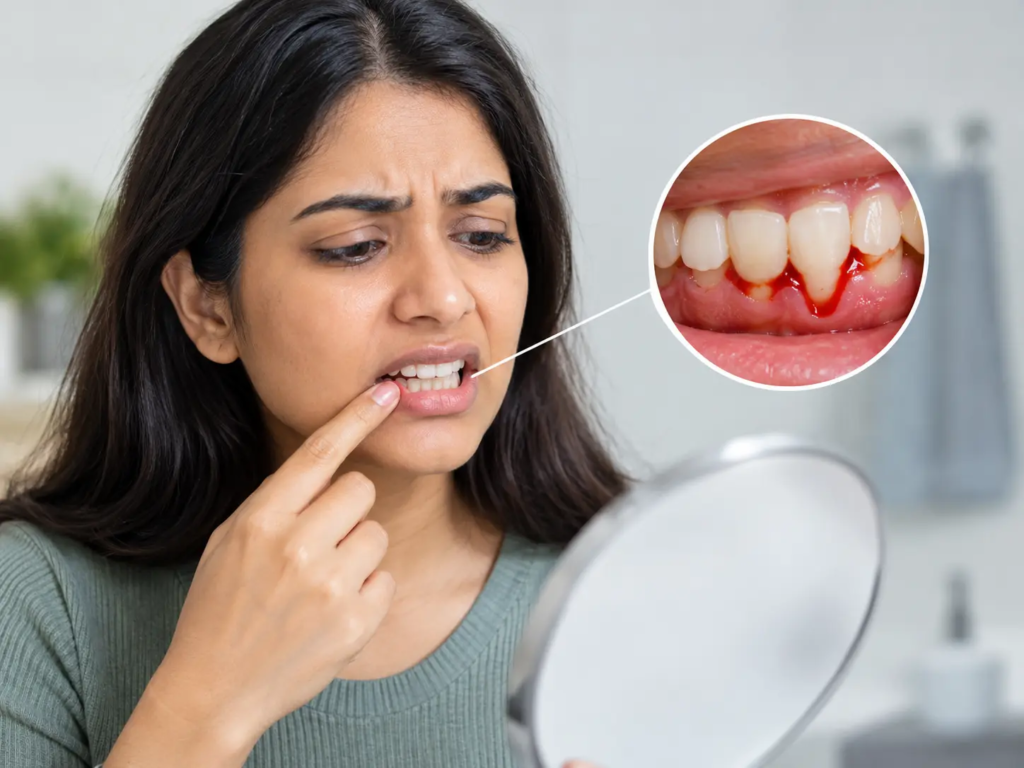
Bleeding or receding gums can be signs of gum inflammation or underlying periodontal problems. You may notice blood while brushing, tenderness around your teeth, or gums that appear to be pulling away from the tooth surface.
At DaCula Dentist, we can assess your gum health, identify possible causes, and recommend appropriate treatment to help protect your teeth and gums. Early attention to gum problems can help prevent further damage and support a healthier smile.
What Causes Bleeding or Receding Gums?
Gum problems can develop for several reasons, from plaque buildup to more advanced gum disease. Identifying the cause is essential for choosing the right treatment.
Plaque and Tartar Buildup
Plaque is a sticky film of bacteria that forms on your teeth. If it is not removed regularly, it can irritate the gums. Over time, plaque may harden into tartar, which requires professional removal.
Gingivitis
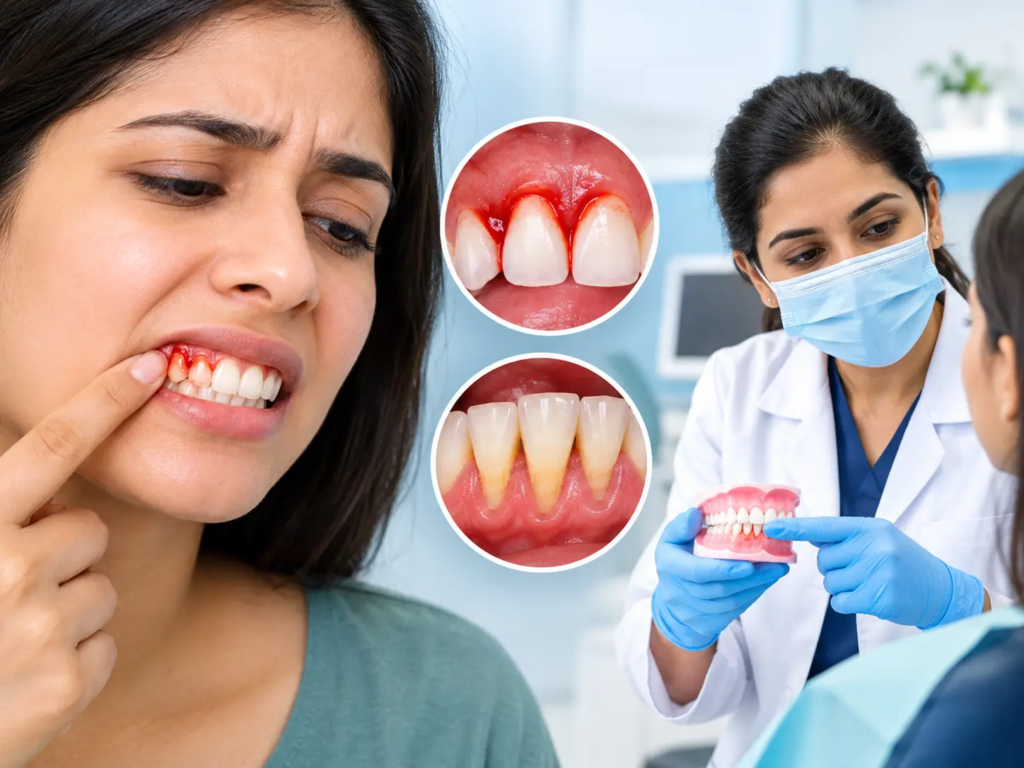
Gingivitis is an early stage of gum disease that causes inflammation. Common symptoms include red, swollen, tender gums and bleeding during brushing or flossing. With appropriate care, gingivitis can often be reversed.
Periodontitis
When gum disease progresses, it can damage the tissues and bone supporting your teeth. This condition, known as periodontitis, may cause gum recession, persistent inflammation, loose teeth, and changes in the way your teeth fit together.
Brushing Too Hard
Using excessive pressure or a hard-bristled toothbrush can irritate gum tissue and contribute to gum recession over time. Gentle brushing with a soft-bristled toothbrush is generally recommended.
Hormonal Changes
Hormonal changes during pregnancy and other life stages can make gums more sensitive to plaque, increasing the likelihood of inflammation and bleeding.
Smoking and Tobacco Use
Tobacco use increases the risk of gum disease and can interfere with healing. Smoking may also mask some signs of gum inflammation, making regular dental examinations especially important.

What Are the Signs and Symptoms of Gum Problems?
Bleeding and receding gums may develop gradually, so it is important to recognise changes in your oral health.
Common signs include:
Bleeding while brushing or flossing.
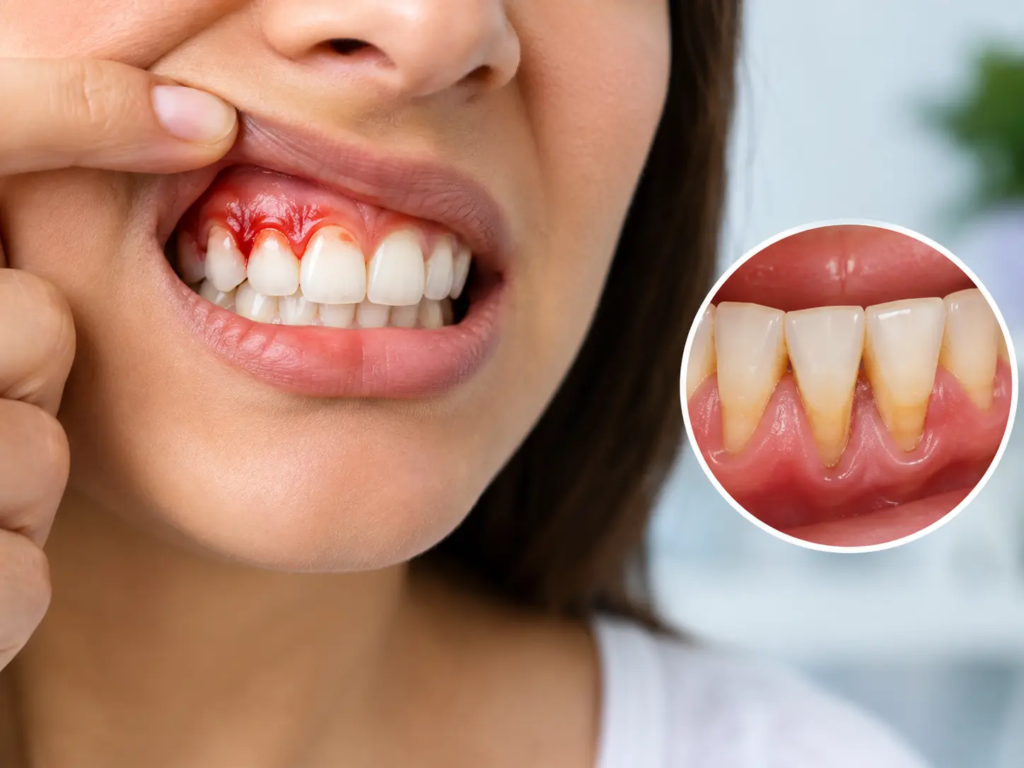
Red, swollen, or tender gums.
Gums that appear to pull away from the teeth.
Teeth that look longer than they used to.
Persistent bad breath or an unpleasant taste.
Increased tooth sensitivity near the gumline.
Loose teeth or changes in your bite in more advanced cases.
Healthy gums generally do not bleed during routine brushing. If bleeding occurs repeatedly, arrange a dental examination rather than ignoring the symptoms.
What Are the Treatment Options for Bleeding or Receding Gums?
Treatment depends on the cause and severity of the gum problem. Your dentist may assess your gums, measure the spaces around your teeth, and recommend suitable care.
- Professional Dental Cleaning: Professional cleaning removes plaque and tartar from tooth surfaces. It is often an important part of managing gingivitis and maintaining healthy gums.
- Scaling and Root Planing: For patients with periodontitis, a deeper cleaning procedure called scaling and root planing may be recommended. It removes plaque and tartar from below the gumline and smooths affected root surfaces to support gum healing.
- Improved Oral Hygiene: Brushing gently twice daily with fluoride toothpaste and cleaning between your teeth every day can help control plaque and reduce gum inflammation.
- Periodontal Treatment: More advanced gum disease may require ongoing periodontal care, additional procedures, or referral to a gum specialist. Treatment aims to control infection and protect the tissues supporting your teeth.
- Treatment for Gum Recession: The appropriate approach depends on why your gums have receded. Your dentist may recommend changes to your brushing technique, treatment for gum disease, or monitoring. In selected cases, gum grafting or another periodontal procedure may help cover exposed roots.
- Addressing Underlying Causes: If medications, tobacco use, or another health factor contributes to your symptoms, your dentist may recommend additional evaluation or coordination with your healthcare provider.

How Can You Prevent Bleeding or Receding Gums?
Consistent oral hygiene and regular dental care can help reduce the risk of gum problems.
Brush twice daily using a soft-bristled toothbrush.
Use gentle circular or short brushing movements along the gumline.
Clean between your teeth daily with floss or an appropriate interdental cleaner.
Schedule regular dental checkups and professional cleanings.
Avoid smoking and other tobacco products.
Maintain a balanced diet and drink water regularly.
Inform your dentist about medications and changes in your general health.
If your gums bleed during brushing, do not stop cleaning your teeth altogether. Brush gently and arrange a dental assessment to identify the cause.
When Should You See a Dentist?
Arrange a dental appointment if your gums bleed repeatedly, appear swollen, or begin to recede. Persistent bad breath, gum tenderness, and increasing tooth sensitivity can also indicate a problem that needs attention.
Seek prompt dental care if you notice loose teeth, pus around the gums, significant swelling, or severe pain.
If you experience heavy or unexplained gum bleeding, especially alongside other unusual symptoms, seek professional medical advice as well.
Early diagnosis and appropriate treatment can help control gum disease and reduce the risk of permanent damage to the supporting tissues around your teeth.
Take Care of Your Gums for a Healthier Smile
Healthy gums are essential for keeping your teeth strong and supporting your long-term oral health. Bleeding or receding gums should not be ignored, as these symptoms may indicate a problem that benefits from early treatment.
At DaCula Dentist, we can assess your gum health, explain the possible causes of your symptoms, and help you explore suitable treatment options.
Take the first step towards healthier gums. Book your dental consultation today.
Frequently Asked Questions
Why do my gums bleed when I brush my teeth?
Bleeding gums are commonly associated with plaque buildup and gingivitis. Brushing too aggressively can also irritate gum tissue. Persistent bleeding should be evaluated by a dentist to determine the cause.
Can receding gums grow back naturally?
Receded gum tissue generally does not grow back on its own. However, appropriate treatment can help prevent further recession, and selected cases may benefit from gum grafting or other periodontal procedures.
Is gum recession a sign of gum disease?
Gum recession can be associated with periodontitis, but it can also result from aggressive brushing, thin gum tissue, or other factors. A dental examination can help identify the cause.
Can bleeding gums be treated?
Yes. Treatment depends on the cause and may include professional cleaning, improved oral hygiene, deeper periodontal cleaning, or management of contributing health factors.
Should I stop brushing if my gums bleed?
No. Continue cleaning your teeth gently with a soft-bristled toothbrush and fluoride toothpaste. Avoid aggressive brushing and arrange a dental appointment if the bleeding continues.
What happens if gum disease is left untreated?
Untreated gum disease can progress from inflammation to damage of the tissues and bone supporting your teeth. Advanced periodontitis may lead to loose teeth and tooth loss. Early treatment helps reduce these risks.
How often should I visit the dentist for gum health?
The appropriate interval depends on your oral health and risk factors. Many people benefit from regular six-monthly checkups, while patients with gum disease may need more frequent periodontal maintenance.